 Adrian TirusVIEW PROFILE →
After the Record: Bitcoin's $126,000 Peak, the Fall That Followed, and What It Means Now
Bitcoin smashed above $126,000 to become worth more than Meta or Alphabet, then lost roughly half its value within months. The story of crypto in 2026 is really the story of an asset growing up in public: still wildly volatile, increasingly institutional, and impossible to ignore.
For a few heady days in October 2025, Bitcoin looked unstoppable. The original cryptocurrency surged above $126,000 for the first time, reaching a record of roughly $126,000 on 6 October and pushing its total market value past $2.3 trillion. At that peak it was, briefly, worth more than corporate giants like Meta and Alphabet, and it had even overtaken silver as an asset class. Then, as it has so many times before, Bitcoin reminded everyone of its other defining trait: it falls as violently as it climbs.
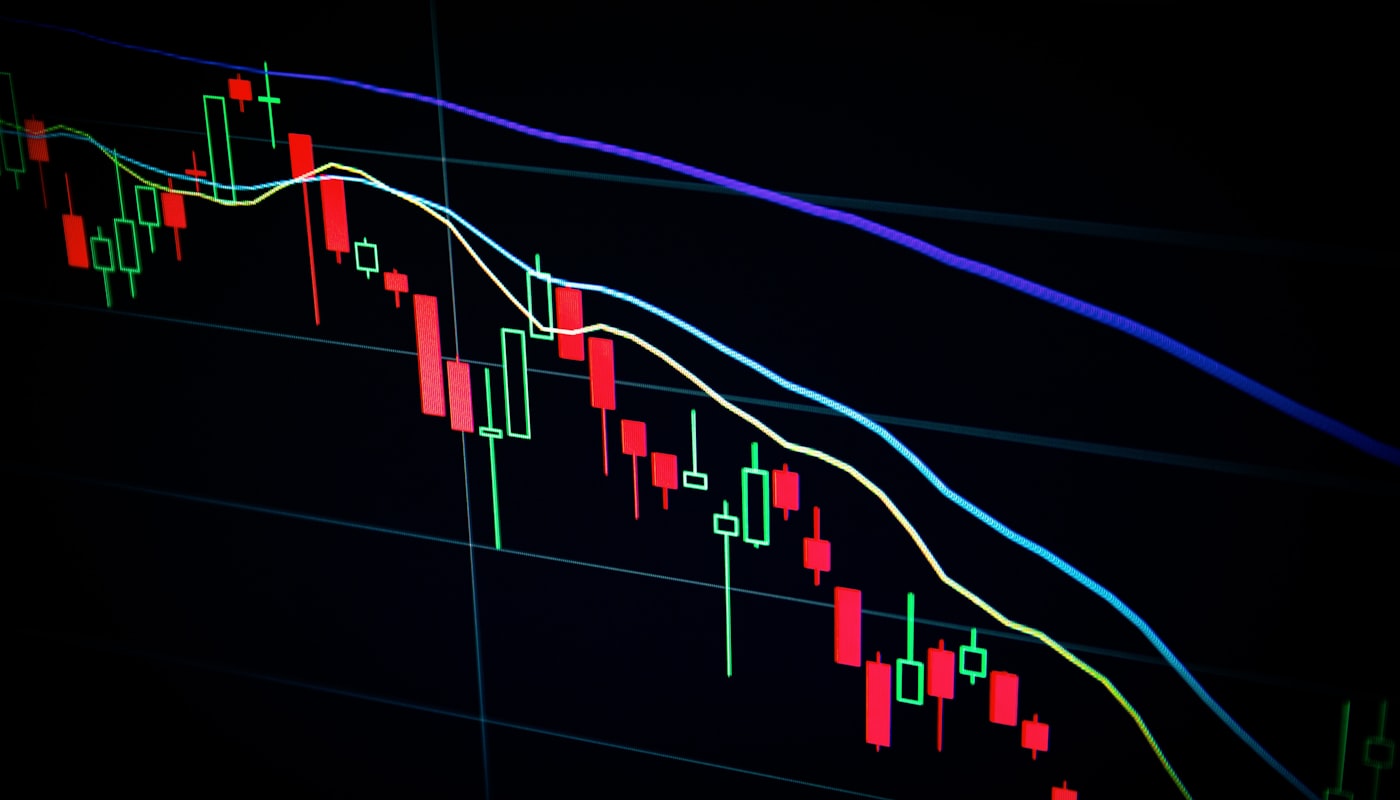
By the middle of 2026, Bitcoin had shed a huge chunk of that value, trading roughly 49% below its October peak. In the space of a few months an asset had doubled the market capitalisation of some of the world's biggest companies and then given back nearly half of it. Understanding that whiplash is the key to understanding where digital money really stands today.
Bitcoin climbed above the value of Meta and Alphabet, then gave back nearly half of it. That whiplash is the whole story.
The Record Run
The rally that carried Bitcoin to its high was not driven by the retail frenzy of previous cycles alone. This time the buyers were increasingly institutional. A friendlier regulatory stance from the U.S. administration, strong demand from professional investors, and steady inflows into Bitcoin exchange-traded funds all combined to push the price up through record after record. When Bitcoin's market value briefly eclipsed that of Alphabet and Meta, it was a symbolic moment: a fifteen-year-old digital experiment sitting, for a day, above the titans of Silicon Valley.
The Fall
What went up came down hard. From that October high, Bitcoin slid through the first half of 2026 until it was worth roughly half of its peak. For long-time holders, a drawdown of this size is almost routine; Bitcoin has lost half its value or more several times in its history and recovered each time. For newer investors who bought near the top, it was a painful lesson in the asset's brutal volatility. The same qualities that make Bitcoin thrilling on the way up make it punishing on the way down.
An Asset Growing Up in Public
The more interesting story sits beneath the price swings. Bitcoin is slowly maturing into a mainstream financial asset. The arrival of regulated exchange-traded funds has let pension funds, wealth managers and ordinary investors gain exposure without touching a crypto exchange, and that steady institutional presence is a genuine structural change from the wild retail booms of the past. Yet maturity has not brought calm. Unlike gold, which held its value as a quiet safe haven in the same period, Bitcoin still trades like a high-risk growth bet, soaring and crashing on sentiment. It is becoming respectable and remaining volatile at the same time, an unusual combination.
What Comes Next
Predicting Bitcoin's price is a fool's game, but that does not stop serious institutions from trying. Some major banks have set forecasts as high as $150,000, arguing that the long-term trend of institutional adoption is intact even after the correction. Others caution that reclaiming the old high would require a very large rally from current levels. The honest position is that no one knows. What can be said is that the infrastructure around Bitcoin is stronger than in any previous cycle, even as the price behaves as unpredictably as ever.
The Cycle in Numbers
The year's ride reduces to a few striking figures:
- Bitcoin hit a record of about $126,000 on 6 October 2025.
- Its market value topped $2.3 trillion, briefly above Meta and Alphabet, and it overtook silver as an asset class.
- By mid-2026 it had fallen roughly 49% from that peak.
- The rally was driven by friendlier U.S. regulation, institutions and ETF inflows, not retail alone.
- Some major banks forecast a return toward $150,000, while others urge caution.
The Real Lesson
For all the drama, 2026 did not answer the oldest question about Bitcoin: is it digital gold, a speculative gamble, or something in between? What it showed is that the asset is now too large and too institutionally embedded to dismiss, and still too volatile to treat as a safe place to park money. The sensible investor takes it seriously without being seduced by it, sizes any position for the stomach-churning swings, and remembers the one rule Bitcoin has never broken: whatever it does next, it will not do it quietly.