 Adrian TirusVIEW PROFILE →
Romania's Nuclear Champion: Inside Nuclearelectrica's Record Profits and Cernavoda Expansion
Nuclearelectrica posted a 44% jump in first-half 2026 net profit and is financing a major refurbishment and expansion at Cernavoda, backed by EDF and a JP Morgan-led syndicate. A closer look at one of the Bucharest exchange's standout energy plays.
Amid a stream of headlines about Federal Reserve policy, oil price swings and record gold prices, one of the more compelling equity stories of 2026 has been unfolding on the Bucharest Stock Exchange. Nuclearelectrica, Romania's state-controlled nuclear power producer, has combined bumper profits with an ambitious expansion plan, making it a standout among Eastern European energy names.
For investors used to thinking of Central and Eastern European utilities as sleepy, dividend-paying stocks, Nuclearelectrica offers something more dynamic. It sits at the intersection of two powerful themes, namely the global revival of interest in nuclear power and Romania's push to secure reliable, low-carbon electricity, and its recent numbers have given the market plenty to digest.
A profit surge in the first half
The headline figures for the first half of 2026 were striking. Nuclearelectrica reported a net profit of 1.2 billion Romanian lei, an increase of roughly 44 percent compared with the same period a year earlier, a jump that immediately reframed the company as one of the more profitable players on the local market.
The improvement was driven less by volume than by price. Electricity sales rose 2.7 percent year over year, but this was powered by a 13 percent increase in the average selling price, even as the actual quantity of electricity sold fell by 9 percent because of both planned and unplanned outages at its facilities during the period.
That combination of higher prices and lower operating costs proved potent for the bottom line. It also highlighted a defining feature of nuclear generation, namely that once a plant is built, its output is relatively cheap to produce, so rising wholesale power prices tend to flow through to profits with unusual efficiency.
Betting big on Cernavoda
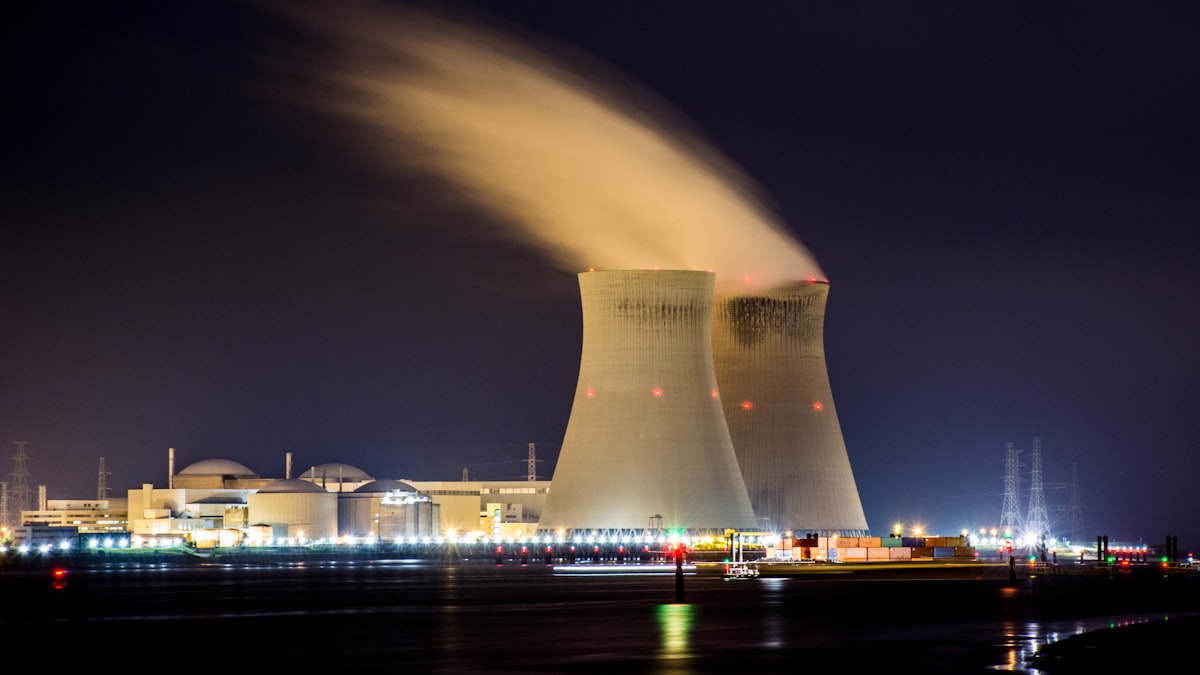
Beyond the strong results, the more strategically significant story is what the company is doing with its cash and its partnerships. At the heart of its future lies the Cernavoda plant, the site of Romania's existing reactors and the focus of a sweeping modernisation and expansion programme now getting under way.
A key milestone came in October 2025, when Nuclearelectrica signed strategic agreements with the French EDF Group for the refurbishment of Cernavoda Unit 1. Bringing in one of the world's most experienced nuclear operators as a partner lends both technical credibility and international weight to a project of considerable complexity and long duration.
The financing has followed. The company secured a 540 million euro financing contract with a banking syndicate led by JP Morgan for the Unit 1 refurbishment, alongside an 80 million euro loan earmarked for the next stage of the Cernavoda Units 3 and 4 project, which would add substantial new capacity over time.
What it means for investors
The involvement of a global bank such as JP Morgan and a nuclear heavyweight like EDF sends a reassuring signal to the market. It suggests that sophisticated international players are willing to underwrite Romania's nuclear ambitions, which helps de-risk a capital-intensive undertaking in the eyes of equity investors weighing the stock.
Valuation, however, warrants caution. The analyst consensus target price for the shares stood at 51.88 lei, which was around 19.69 percent below the last closing price of 64.60 lei, implying that the stock had already run ahead of what many analysts considered its fair value after a strong rally.
That gap encapsulates the central tension for anyone looking at Nuclearelectrica today. The operational and strategic story is genuinely strong, yet the share price appears to have priced in a great deal of optimism, leaving less obvious upside and more room for disappointment should execution stumble along the way.
A wider nuclear moment
Zooming out, Nuclearelectrica's trajectory mirrors a broader shift in how governments and markets view nuclear energy. After years on the defensive, the sector is enjoying renewed political support as countries seek stable, low-carbon power to complement intermittent renewables and to reduce dependence on imported fossil fuels.
For Romania, a successful expansion at Cernavoda would strengthen energy security and anchor a long-term industrial asset at a time of regional uncertainty. For investors watching from New York or London, it is a reminder that some of the most interesting energy transition stories are playing out not in the usual megacaps, but in national champions on smaller exchanges.






