 Adrian TirusVIEW PROFILE →
Oil's Wild Summer: Why Brent Swung From $69 to $105 and What Comes Next
A June deal, a July spike and a cautious OPEC+ made the summer of 2026 one of the most volatile stretches oil has seen in years. I unpack the swing from $69 to $105 a barrel and where prices go next.
Energy markets rarely stand still, but the summer of 2026 has been a genuinely wild ride for oil, with prices swinging violently on a mix of diplomacy, armed conflict and shifting supply that very few traders saw coming.
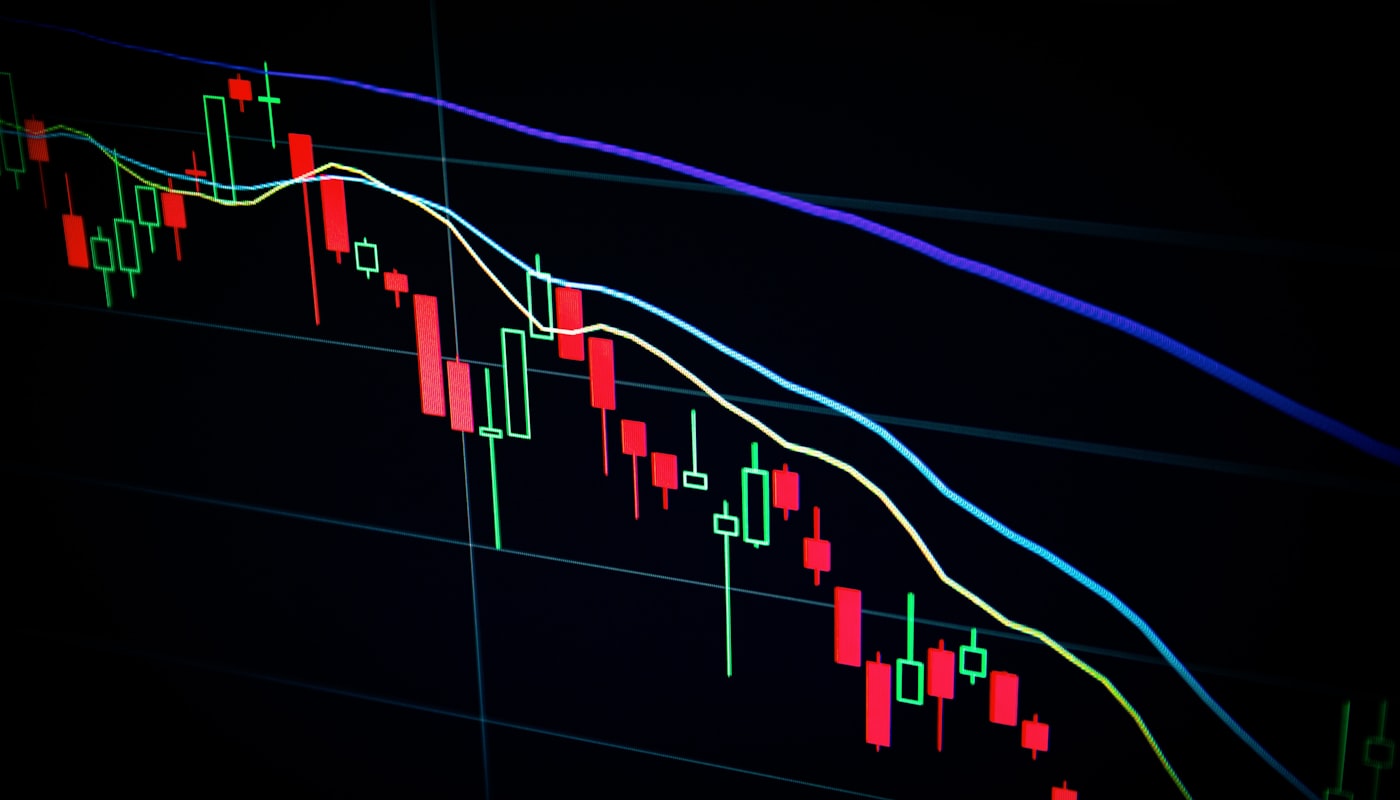
The starting point was calm, because following a June memorandum between the United States and Iran, Brent crude slid as low as 69 dollars per barrel on the second of July, a level that suggested the market was pricing in easing tensions.
A Sudden Spike Through the Strait
That calm did not last long, as renewed attacks on tankers transiting the Strait of Hormuz sent volatility surging through late July, and the Brent spot price spiked as high as 105 dollars per barrel on the twenty third of the month.
The Strait of Hormuz matters more than almost any other chokepoint on earth, because a large share of the world's seaborne crude passes through it, so even the threat of disruption there is enough to move prices by double digits within days.
For anyone who fills a car or heats a home, this is the uncomfortable reality of oil, that a single security incident thousands of kilometers away can ripple into fuel costs and inflation figures across entire continents within a single week.
OPEC+ Keeps a Steady Hand

Against that backdrop, the OPEC+ alliance chose restraint over drama, as seven members, namely Saudi Arabia, Russia, Iraq, Kuwait, Kazakhstan, Algeria and Oman, met in early August to review conditions and agreed only a modest production adjustment.
The group settled on raising output by 188 thousand barrels per day from their additional voluntary adjustments, a change scheduled to take effect in September, which signals confidence without flooding a jittery market with extra supply.
Supply globally is actually rising, because output climbed by 2.4 million barrels per day to reach 101.5 million barrels per day in July, showing that producers outside the headlines have been quietly ramping up through much of the year.
The Outlook for the Months Ahead
The disruptions still leave a mark, since renewed hostilities and maritime problems in July and early August trimmed projected third quarter supply by about 1.7 million barrels per day, tightening the balance more than most analysts expected.
Weighing all of this together, forecasters expect Brent crude to average around 85 dollars per barrel in the third quarter, a figure that sits well below the July spike but remains comfortably above the calm lows of early summer.
For businesses that means planning around a range rather than any single price, because the gap between 69 and 105 dollars this summer shows just how quickly the assumptions behind an annual budget can be completely overturned.
My own view is that oil remains as much a geopolitical asset as an economic one, and until the tension around key shipping lanes truly eases, every calm stretch should be treated as a pause rather than a settled and lasting peace.