 Adrian TirusVIEW PROFILE →
The Dollar's Worst Year in Nearly a Decade: Cyclical Wobble or Something Deeper?
The world's reserve currency is having a rough 2026, down roughly 9% and slipping below the closely watched 97 mark on its main index , its weakest annual run since 2017. Here's what is driving the slide, why the 'de-dollarization' debate is heating up, and what analysts think comes next.
For decades, the US dollar has been the unshakeable centre of the global financial system, the currency that the rest of the world reaches for in good times and bad. So when it stumbles, markets everywhere pay attention. And in 2026, the greenback has done more than stumble; it has endured one of its most difficult years in living memory, prompting a serious debate about what it all means.
A rare and painful slide
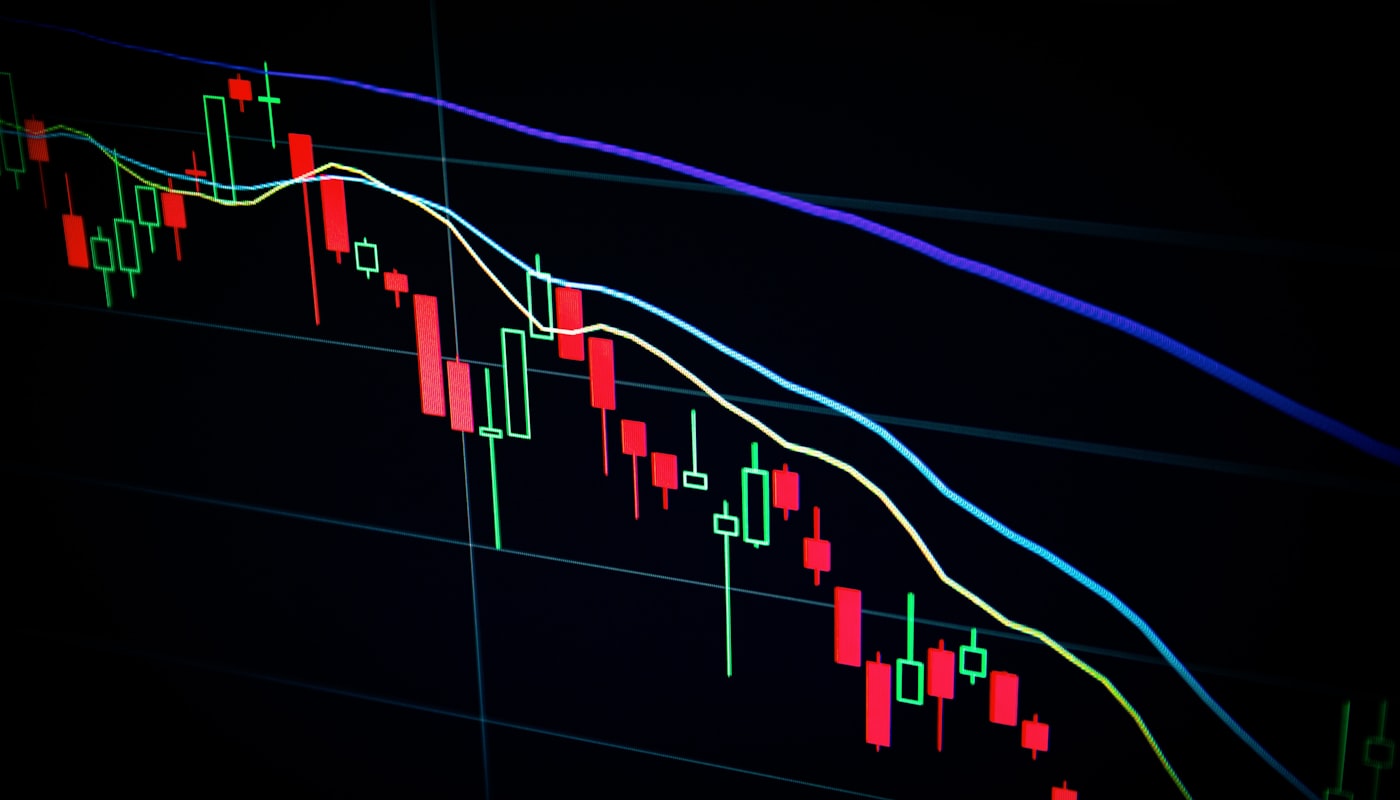
The numbers tell a striking story. Measured against a basket of other major currencies through the dollar index, the greenback has fallen by roughly nine percent over the course of the year. That puts it on track for its weakest annual performance in around eight years, a decline not seen since 2017 and one that has caught the attention of investors and policymakers alike.
The symbolism has been just as important as the raw figures. At one point the dollar index slipped below the closely watched level of 97, sinking to a multi-year low. For traders who scrutinise these thresholds, breaching such a psychologically significant mark is more than a technical footnote; it signals a genuine shift in sentiment toward the world's most important currency.

A weaker dollar is never a neutral event, because its effects ripple far beyond America's borders. It can make US exports more competitive and lift the overseas earnings of American multinationals, while simultaneously raising the cost of imports and reshaping the fortunes of emerging markets that borrow heavily in dollars. Few developments in finance touch quite so many corners of the globe at once.
What is driving the decline
The reasons behind the slide are a tangle of interlocking forces rather than a single cause. Near the top of the list sit persistent concerns about America's fiscal position, as investors weigh the implications of large and stubborn budget deficits. When a government appears to be borrowing on an ever-grander scale, confidence in its currency can quietly erode over time.
Layered on top of the fiscal worries is a broader sense of political uncertainty, including questions about the independence of the institutions that steer monetary policy. Markets prize predictability and credibility above almost all else, and any perception that policymaking could become less insulated from short-term pressures tends to weigh on a currency's appeal to global investors.
There is also a more mechanical, market-driven factor at work in the shape of narrowing interest-rate differentials. As the gap between US rates and those offered elsewhere shrinks, one of the dollar's traditional attractions, the promise of superior returns, begins to fade. Combined with signs of slowing US growth, these forces have steadily chipped away at the currency's momentum.
The de-dollarization debate
Inevitably, a decline of this magnitude has revived one of the most contentious questions in global finance: is the world slowly falling out of love with the dollar? The term de-dollarization has been used with growing frequency, capturing fears that the greenback's long reign as the dominant reserve currency could be entering a period of genuine, structural decline.
Yet many seasoned analysts urge caution before reaching for such dramatic conclusions. While they acknowledge that a gradual, decades-long diversification away from the dollar has been under way for some time, they argue that the 2026 weakness looks far more cyclical than structural. In their view, the evidence simply does not point to a full-blown collapse of the dollar's global role.
The distinction matters enormously for investors. A cyclical decline, driven by the ordinary ebb and flow of growth, interest rates, deficits and inflation, is the kind of move that tends to reverse in time. A structural collapse, by contrast, would represent a fundamental and lasting reordering of the financial world. For now, the weight of expert opinion leans firmly toward the former, more reassuring interpretation.
Where it goes from here
Looking ahead, the consensus among currency watchers is for the softness to continue, but at a gentler pace than the sharp moves seen earlier. Many forecasts see the dollar index settling somewhere in a range of roughly 97 to 100 by the end of the year, implying that while the pressure is unlikely to vanish entirely, an outright crisis is not the base case scenario either.
For ordinary savers and investors, the practical lesson is one of balance rather than alarm. A weaker dollar rewards some, from exporters to holders of foreign assets, while penalising others, and it underscores the timeless value of diversification across currencies and regions. The 2026 slide is a reminder that even the mightiest currency is subject to the tides of policy and sentiment.
Ultimately, the dollar's rough year is best understood not as the end of an era, but as a vivid illustration of how deficits, politics and shifting rate expectations can combine to move even the world's benchmark currency. Whether 2026 proves to be a passing storm or the opening chapter of a longer story will be one of the defining questions markets carry into the years ahead.