 Adrian TirusVIEW PROFILE →
Wall Street Rewrites Its Fed Playbook as Warsh Talks Tough on Inflation
After Fed Chair Kevin Warsh delivered a hawkish message at Jackson Hole, traders swung from expecting a September rate cut to pricing in a possible hike, with prediction markets and futures showing sharply higher odds.
For most of this year, the debate on Wall Street centered on how quickly the Federal Reserve would move to lower interest rates. That conversation has been turned on its head in a matter of days, and investors are now seriously weighing the once unthinkable prospect of a rate increase when policymakers gather in September.
The catalyst was a speech delivered by Federal Reserve Chair Kevin Warsh at the central bank's annual symposium in Jackson Hole, Wyoming. His remarks struck a markedly hawkish tone, and traders wasted little time rewriting their assumptions about where borrowing costs are likely to be heading over the remainder of the year.
A Blunt Message on Inflation
Warsh made clear that he views inflation as running too hot for comfort. According to his remarks, the personal consumption expenditures price index climbed 3.7 percent over the past year, while a shorter six month window pointed to an even faster annualized pace of roughly 4.1 percent, well above the Fed's longstanding 2 percent goal.
The broader data offered little reassurance on that front. Headline PCE inflation registered 3.7 percent on a yearly basis in July, with the core measure that strips out volatile food and energy prices sitting at 3.3 percent. The Cleveland Fed's early estimate for August pointed slightly higher still, at 3.8 percent for the headline figure and 3.4 percent for the core reading.
The chair framed interest rates as the central bank's predominant tool for steering inflation back toward its target. He was careful, however, not to lock himself into a specific path. I stand here today committed to a discipline, not a decision, Warsh said, signaling a degree of flexibility even as his overall message leaned firmly toward vigilance.
A Labor Market at Full Strength
Part of what makes the hawkish case so compelling is the current state of the jobs market. Warsh described conditions as quite stable and consistent with full employment, an assessment that quietly undercuts the traditional argument for cutting rates to support hiring. The unemployment rate has held steady at 4.1 percent in the most recent reading.
He also pushed back on a common assumption among forecasters, noting that wage growth has not proven a reliable indicator of future inflation. Economists expect the August payrolls report to show an increase of around 55,000 jobs, a relatively modest number that nonetheless fits the picture of an economy operating close to its practical limits.
Markets Scramble to Reprice
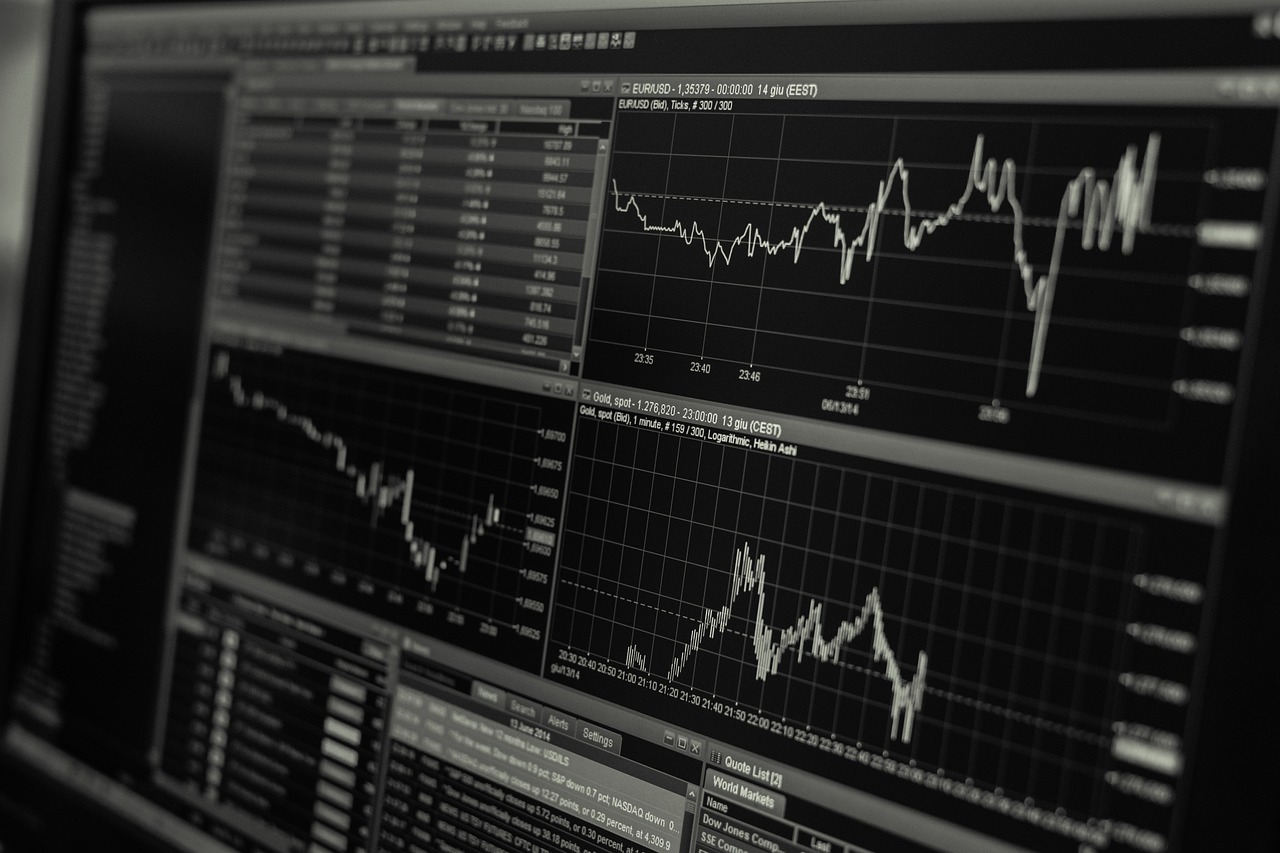
The reaction across trading desks and prediction platforms was both swift and telling. Futures tied to the fed funds rate moved to imply roughly a 59 percent chance of a quarter point hike in September, up sharply from about 35 percent the day before the speech, according to data compiled by CME Group and cited by market watchers.
Other gauges told a broadly similar story. The CME's FedWatch tool pointed to odds of around 60 percent, while separate figures attributed to Glenview Trust put the probability near 58 percent, up from 36 percent beforehand. On the prediction market Kalshi, traders saw a 48 percent chance, and on Polymarket the odds of a 2026 hike climbed as high as 69 percent.
Stocks Hold Their Ground
Given the abrupt shift in expectations, the equity market's response was relatively measured. The S&P 500 still managed to finish the week higher, a sign that investors have not abandoned their broader optimism even as the outlook for monetary policy grows more uncertain and the path forward starts to look considerably less friendly.
The picture was far from uniform beneath the surface, however. Smaller companies, which tend to be more sensitive to swings in borrowing costs and to the health of the domestic economy, lagged behind, with small cap stocks ending lower. That divergence hints at exactly where investors see the greatest risk if interest rates were to move higher.
A Resilient Backdrop
For all the fresh anxiety about inflation, the wider economic canvas still remains reasonably sturdy. Corporate profits grew at a robust 22.8 percent pace during the second quarter, underscoring the underlying strength of American business. Estimates of the odds of a recession arriving in 2026 sit at a modest 9 percent, suggesting little immediate fear of a downturn.
The coming weeks will test just how serious the Fed truly is about leaning against inflation. Between now and the September meeting, fresh readings on jobs and prices will either harden the case for a hike or hand policymakers the room they need to wait. For now, investors are bracing for a decision that very few of them saw coming at the start of the summer.